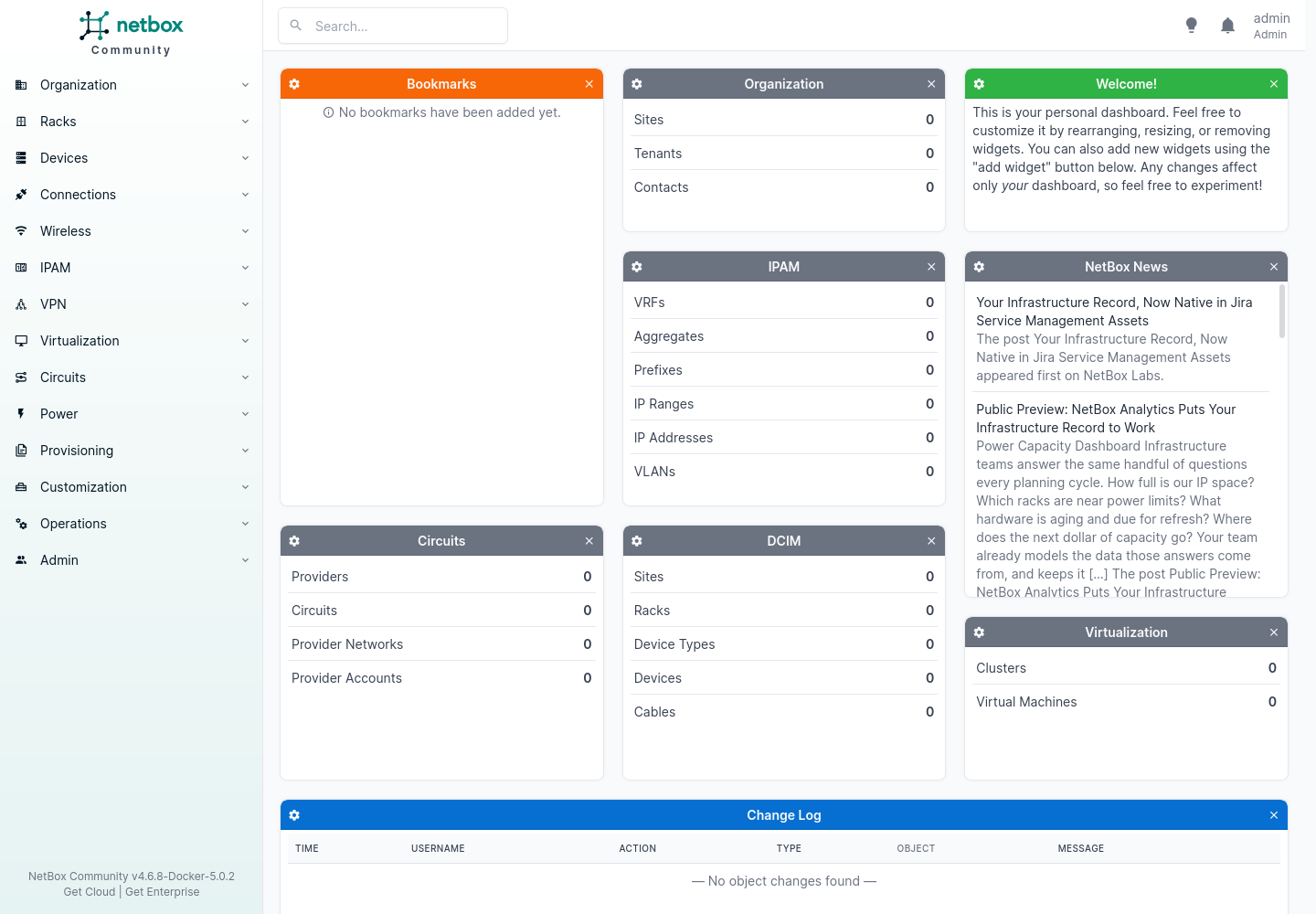
The NetBox dashboard on first launch, every object count sitting at zero

Trying NetBox in My Home Lab

I gave the lab VM more memory recently, which left room to try another service. NetBox was the one I wanted to test, because it does two jobs I currently do badly in scattered markdown: DCIM — sites, virtualization, and how infrastructure relates to itself. IPAM — prefixes, VLANs, address ranges, individual IP assignments. The trial was deliberately conservative. I wanted to find out whether NetBox suited the lab without handing it unnecessary exposure, and without letting an automated import invent facts I hadn’t verified. ...
14 August 2026 · 4 min
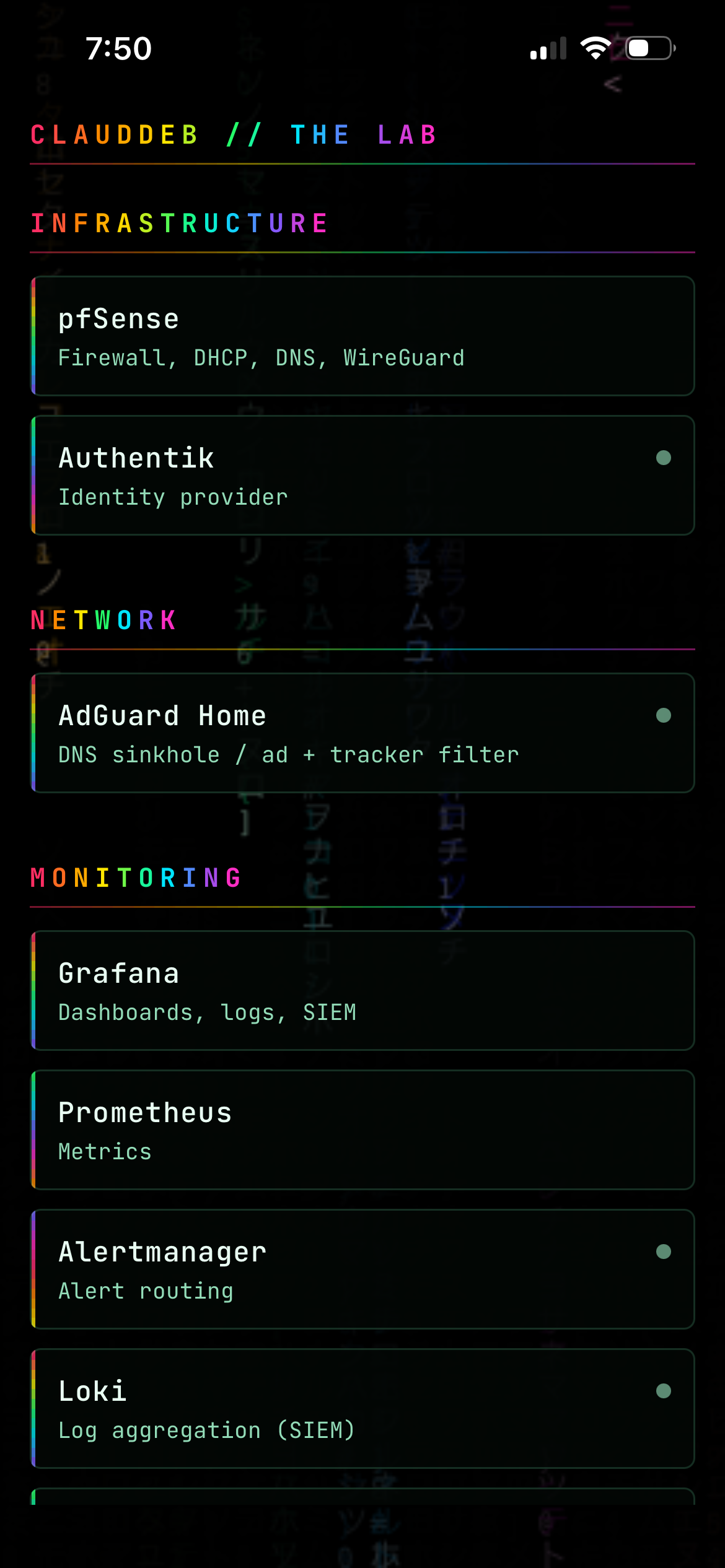
The LABDECK app on an iPhone, showing home lab service groups over an animated matrix rain background

LABDECK — Putting My Home Lab Dashboard on My Phone

A while back I built a front door for the home lab — one Homepage dashboard listing every service, with live status dots. It’s the page I look at most. On a phone it’s a browser tab. It works, but it’s a shrunk web page: no icon, no native controls, and every visit is a fresh Authentik redirect. I wanted the same thing as an actual app. This is how that went, including the parts that didn’t work. ...

9 August 2026 · 8 min
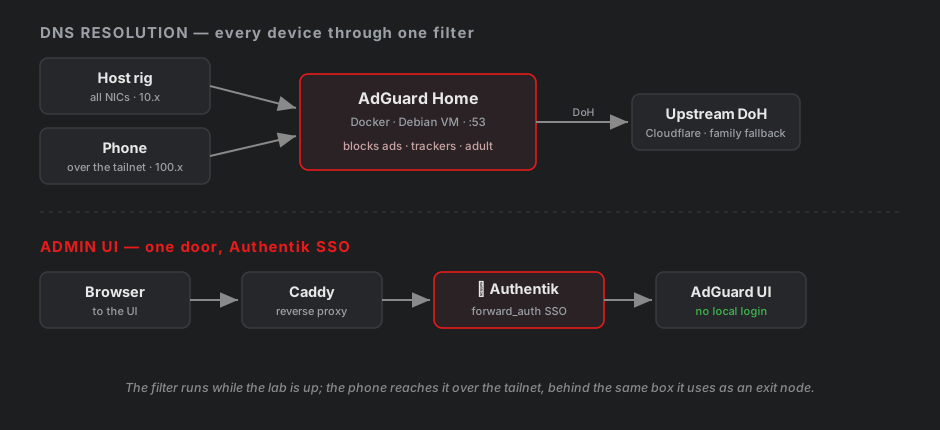
Two rows: DNS resolution from host rig and phone through AdGuard to an upstream DoH resolver, and the admin UI reached only through Caddy and Authentik SSO

One DNS Filter, Three Clients That All Bypass It Differently

I wanted a DNS sinkhole in the lab — block ads, trackers, and adult content at the resolver instead of per-device. AdGuard Home is a single Go binary, so standing it up was maybe ten minutes. Then I spent the rest of the session learning that “point a device at the resolver” is a lie three times over. A Windows PC, an iPhone, and the lab host each route DNS somewhere I didn’t tell them to, for three completely different reasons. This is the write-up of finding all three. ...

1 August 2026 · 7 min
RAINBOW MATRIX cover — the post title in rainbow monospace over falling matrix rain on black

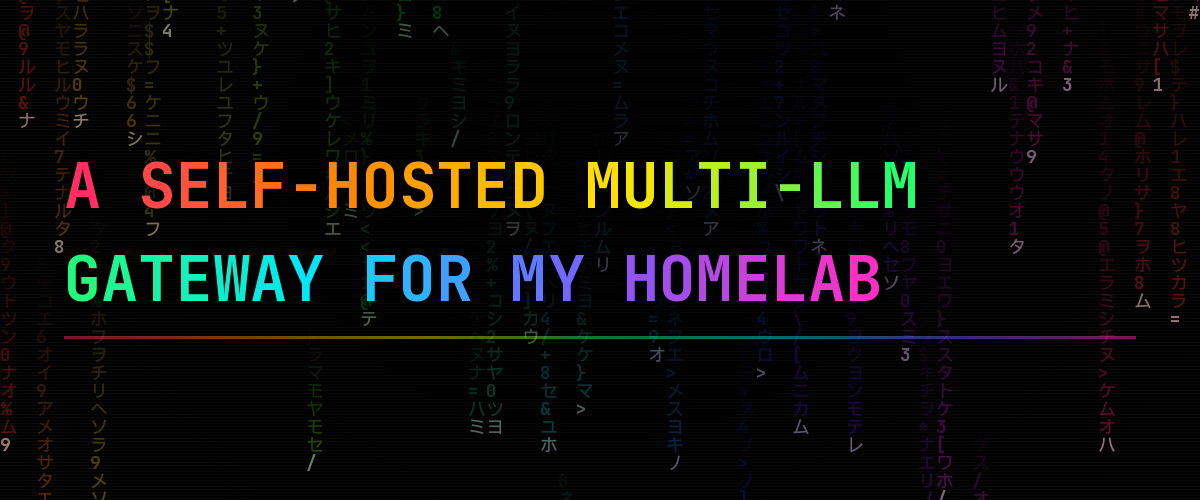
A Self-Hosted Multi-LLM Gateway for My Homelab

Claude Code is the main LLM running my homelab. It builds, debugs, and documents most of what happens on the Debian VM. But I wanted to try other models — and give the CLI tools a shared backend — without wiring up a different SDK and API key for every provider. So I put a gateway in front: one endpoint, many models. Claude stays the main driver; everything else is now one config line away. ...

29 July 2026 · 5 min
RAINBOW MATRIX cover — the post title in rainbow monospace over falling matrix rain on black

A Backup You Haven't Restored Is a Hypothesis

The identity provider quietly became load-bearing and had no backup. Building one taught me more about database internals than building the identity provider did. Stack: Bash · Postgres · SQLite · age · cron · OneDrive 1. Purpose The identity provider started as a nice-to-have. Single sign-on for a dashboard — pleasant, not critical. Then it took over the firewall’s login. That’s the moment the risk profile changed, and it changed without any decision being made about it. Nobody sat down and said “let’s make the firewall depend on this container.” It happened one integration at a time, and the dependency graph grew quietly underneath. ...

16 July 2026 · 9 min
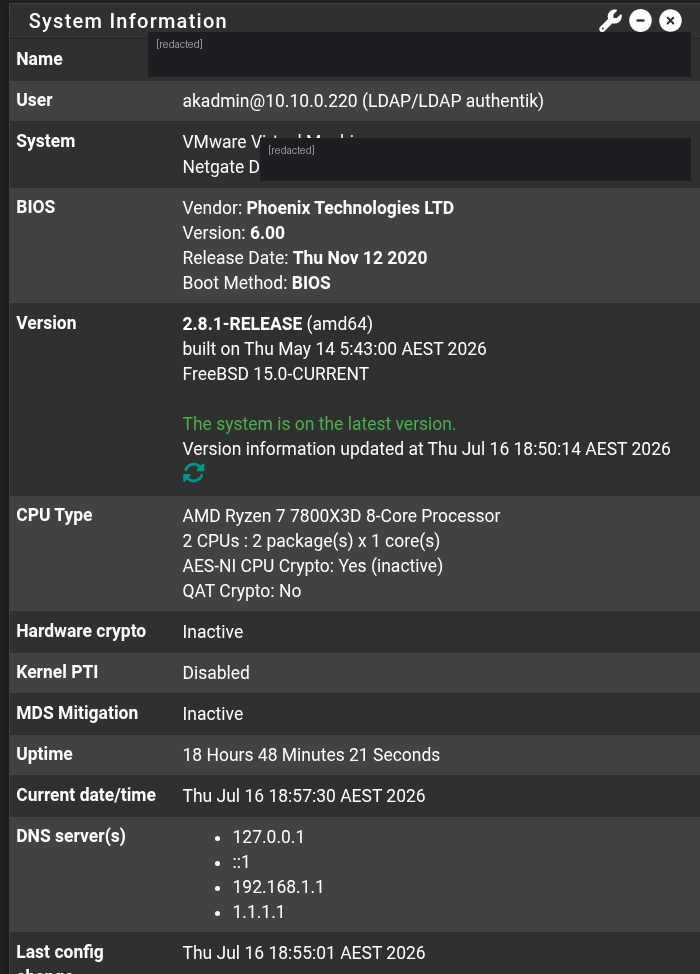
Logged into pfSense as an identity-provider account over LDAP

Making the Firewall Authenticate Against My Identity Provider — and Proving the Bug Wasn't Mine

Bringing pfSense’s admin login into Authentik with MFA — via RADIUS, which turned out to be broken upstream, and then via LDAP, which wasn’t. This is as much about how you prove a bug isn’t yours as it is about the build. Stack: Authentik · pfSense · Docker · LDAP · RADIUS 1. Purpose With an identity provider already running and Grafana logging in through it, the obvious next question was: how far does this go? ...

16 July 2026 · 13 min
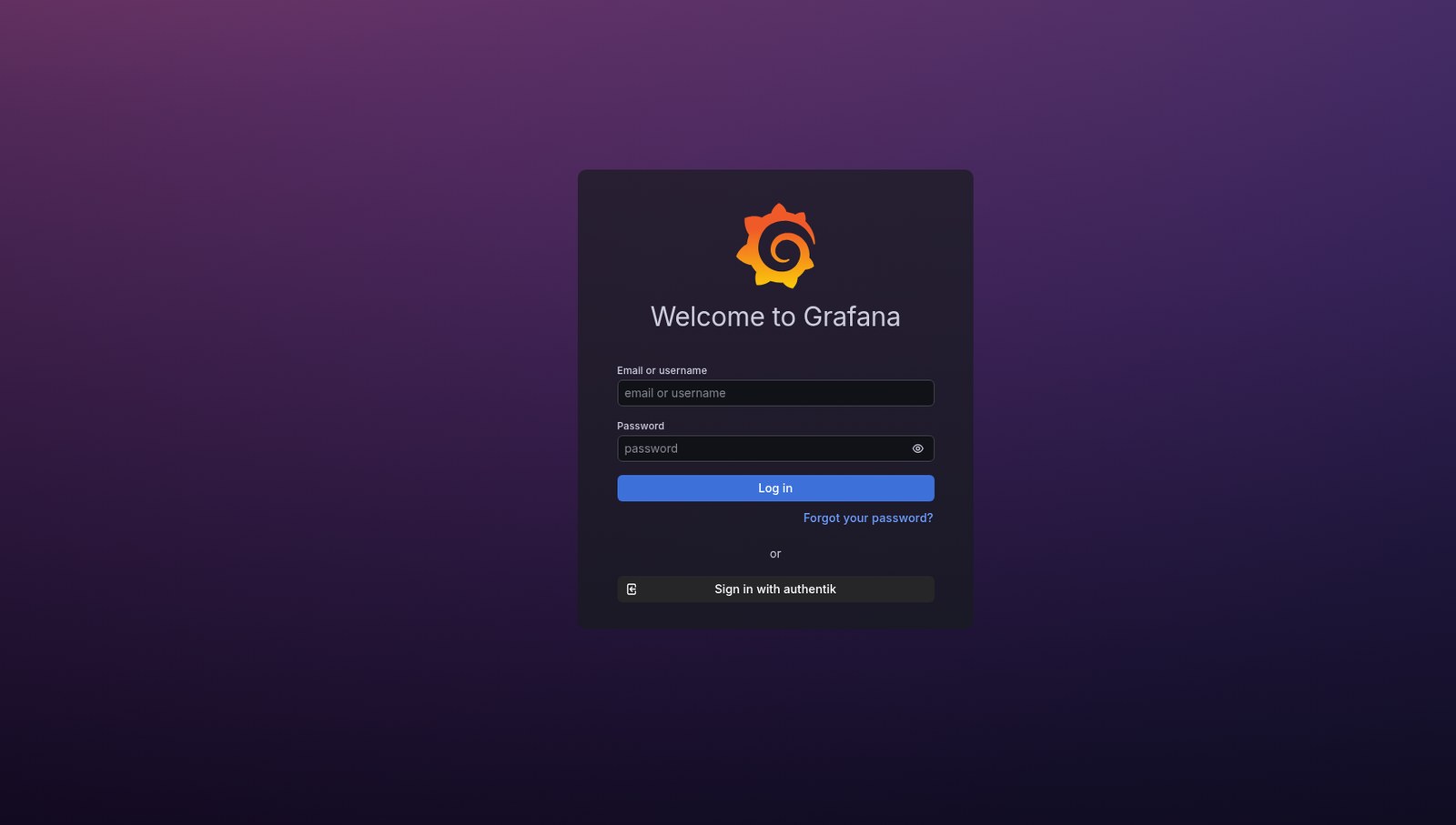
Grafana's login page with a Sign in with authentik button

One Login, MFA Everywhere: Adding an Identity Provider to the Homelab

Deploying Authentik as a self-hosted identity provider, and wiring Grafana into it with OIDC — so a service that has never heard of MFA suddenly requires it. Stack: Authentik · Caddy · Grafana · Docker · Debian 1. Purpose Every self-hosted service arrives with its own login. Ten services means ten accounts, ten passwords, and ten places to forget to enable MFA. Worse, some services have no authentication at all and just quietly assume nobody hostile is on your network. ...

15 July 2026 · 9 min