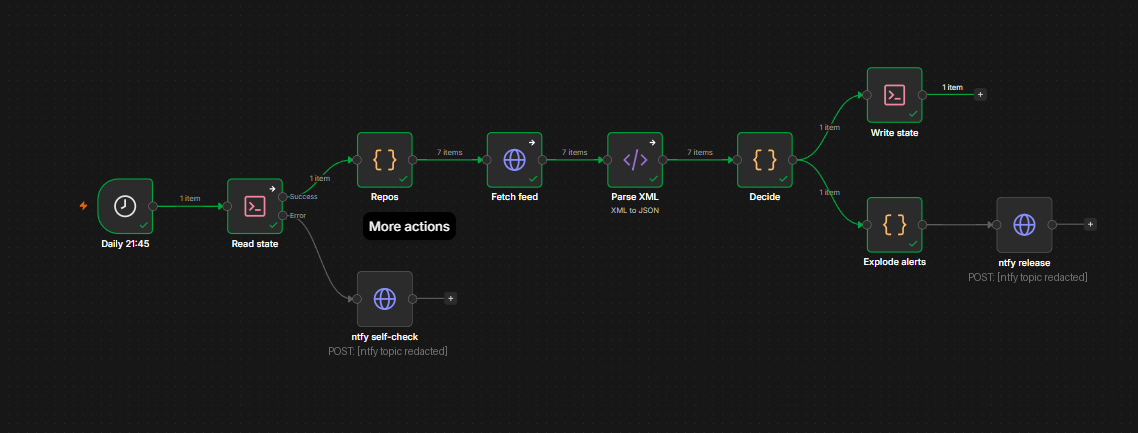
The finished Release Watch workflow in n8n: schedule, state read, repo list, feed fetch, XML parse, decide, state write, and two ntfy branches

Patching a Homelab Has Two Halves — and Only One of Them Is apt

Two halves apt patches Debian. My homelab is not Debian — it’s about a dozen containers sitting on top of Debian. AdGuard, Authentik, Vaultwarden, Caddy, n8n, Greenbone, Homepage. apt will never once mention that Vaultwarden cut a release. So “keep the lab patched” is really two jobs: Debian packages — unattended-upgrades, already a solved problem, just needs scheduling and a report. Everything I actually run — nobody’s solved that for me. Containers only update when I decide to pull. This post is both halves. The first one taught me something uncomfortable about monitoring, so I’ll start there. ...
1 August 2026 · 13 min
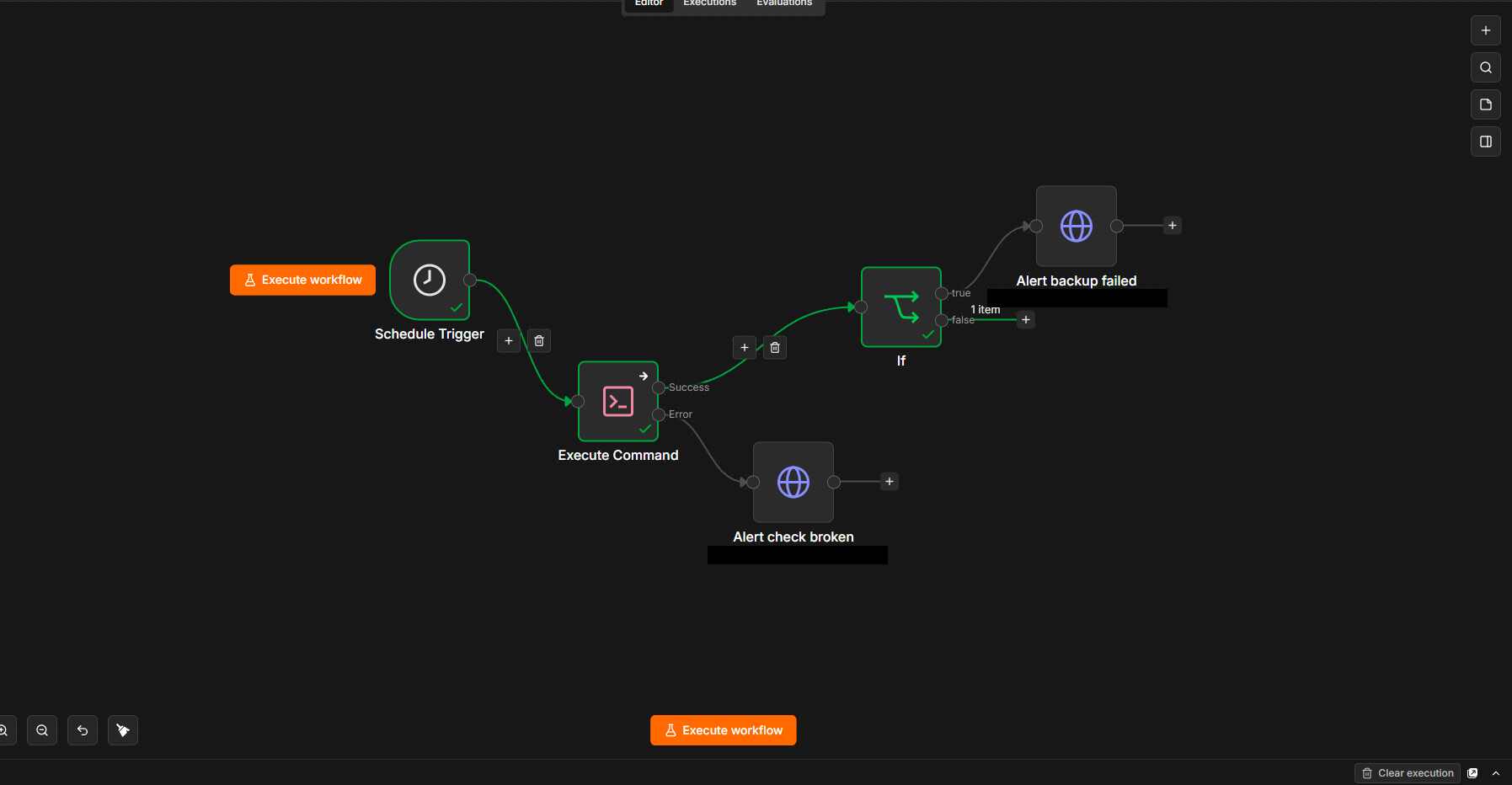
The finished four-node n8n workflow: Schedule Trigger, Execute Command, IF, and two ntfy alert nodes

Building a Backup Watchdog in n8n — and Finding a Five-Day Outage While I Did It

The problem I set out to solve My homelab takes a backup every night at 20:30. A cron job runs a script, the script dumps my Authentik database, snapshots the Vaultwarden vault, tars up the configs, encrypts a copy with age and drops it into OneDrive. It writes everything it does to /var/log/lab-backup.log. And nobody reads /var/log/lab-backup.log. That was the thing bothering me. If the backup silently stopped, I wouldn’t find out when it stopped — I’d find out the day I needed a restore, which is the worst possible day to learn anything. So the plan was simple: get n8n to check the backup actually happened, and buzz my phone if it didn’t. ...

23 July 2026 · 13 min
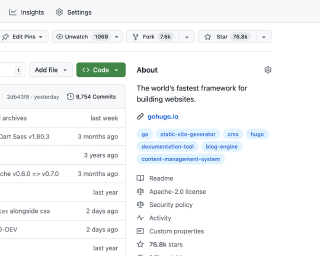
The Hugo blog running on GitHub Pages

Self-Hosting a Hugo Blog with a Claude Code Publishing Pipeline

The blog you’re reading was published by the pipeline this post describes. Why Hugo, and why self-hosted I needed somewhere to document real technical work — networking, security, mod projects — that I could point to from LinkedIn. Hosted platforms were out: no content ownership, paywall friction, someone else’s branding. Hugo won on attack surface. It’s a single Go binary — no Node, no node_modules, no npm dependency tree to patch and audit. For a security portfolio, the blog itself should be as defensible as the work it documents. It builds to plain static files, so serving is trivial; the trade-off is owning uptime and patching, which for this use case is a feature. ...

29 June 2026 · 3 min