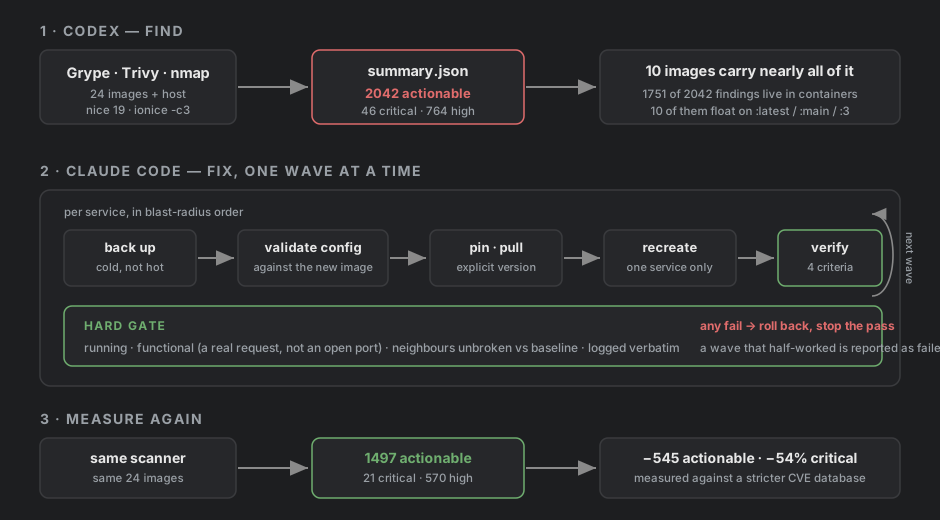
Pipeline diagram: Codex scans 24 images and finds 2042 actionable findings, Claude Code fixes them one wave at a time behind a hard validation gate, then the same scanner measures again at 1497

A Vulnerability Scan From Codex, a Container Upgrade From Claude Code

I run two coding agents against this lab. Codex found the problem and Claude Code fixed it, and keeping those two jobs in different hands turned out to be the most useful part of the whole exercise. The short version: a full vulnerability scan reported 2042 actionable findings — 46 critical, 764 high — and 1751 of them were in container images. Ten waves of updates later, the same scanner reports 1497 actionable, 21 critical, 570 high. ...
18 August 2026 · 10 min
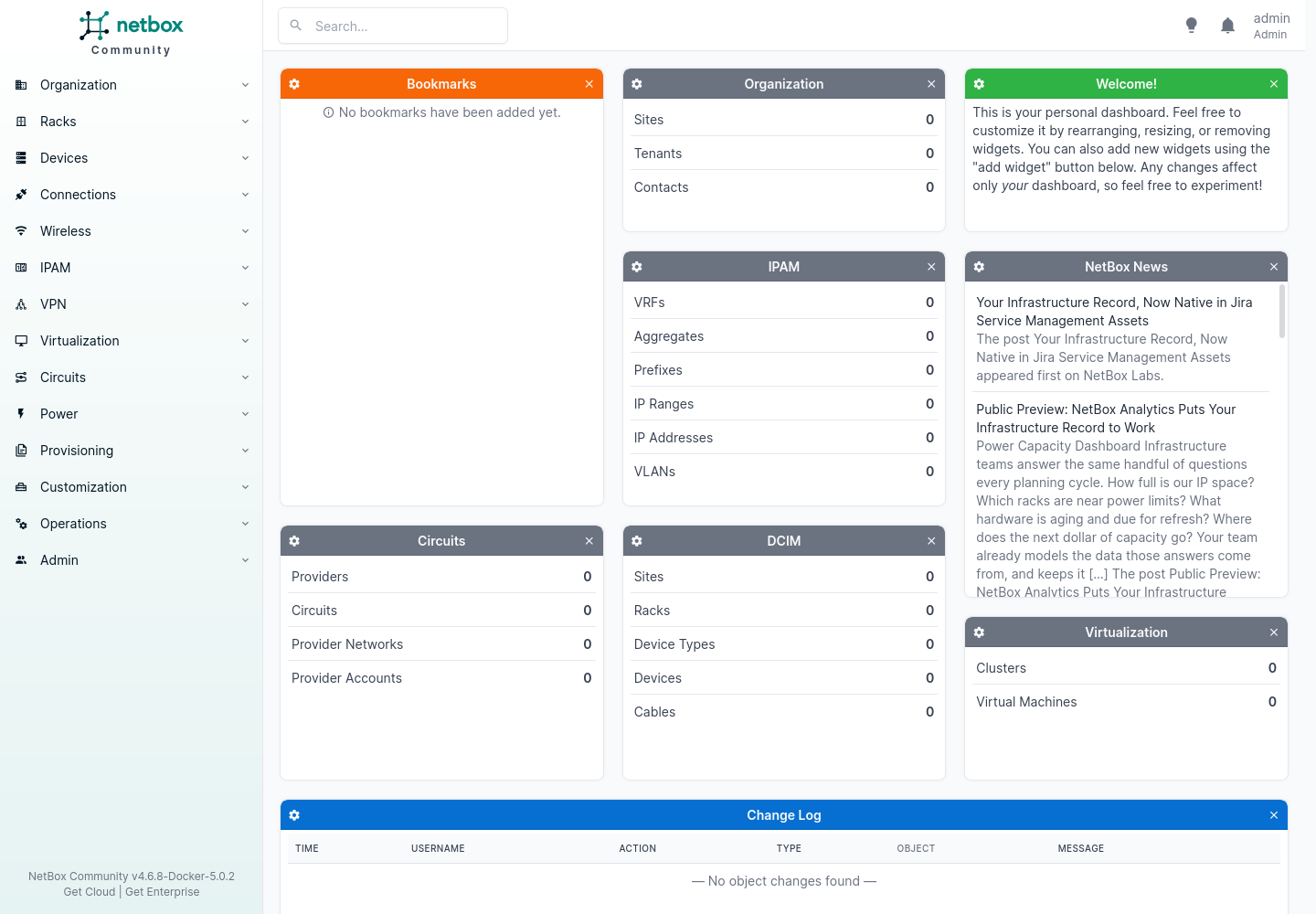
The NetBox dashboard on first launch, every object count sitting at zero

Trying NetBox in My Home Lab

I gave the lab VM more memory recently, which left room to try another service. NetBox was the one I wanted to test, because it does two jobs I currently do badly in scattered markdown: DCIM — sites, virtualization, and how infrastructure relates to itself. IPAM — prefixes, VLANs, address ranges, individual IP assignments. The trial was deliberately conservative. I wanted to find out whether NetBox suited the lab without handing it unnecessary exposure, and without letting an automated import invent facts I hadn’t verified. ...

14 August 2026 · 4 min
RAINBOW MATRIX cover — the post title in rainbow monospace over falling matrix rain on black

A Self-Hosted Multi-LLM Gateway for My Homelab

Claude Code is the main LLM running my homelab. It builds, debugs, and documents most of what happens on the Debian VM. But I wanted to try other models — and give the CLI tools a shared backend — without wiring up a different SDK and API key for every provider. So I put a gateway in front: one endpoint, many models. Claude stays the main driver; everything else is now one config line away. ...

29 July 2026 · 5 min
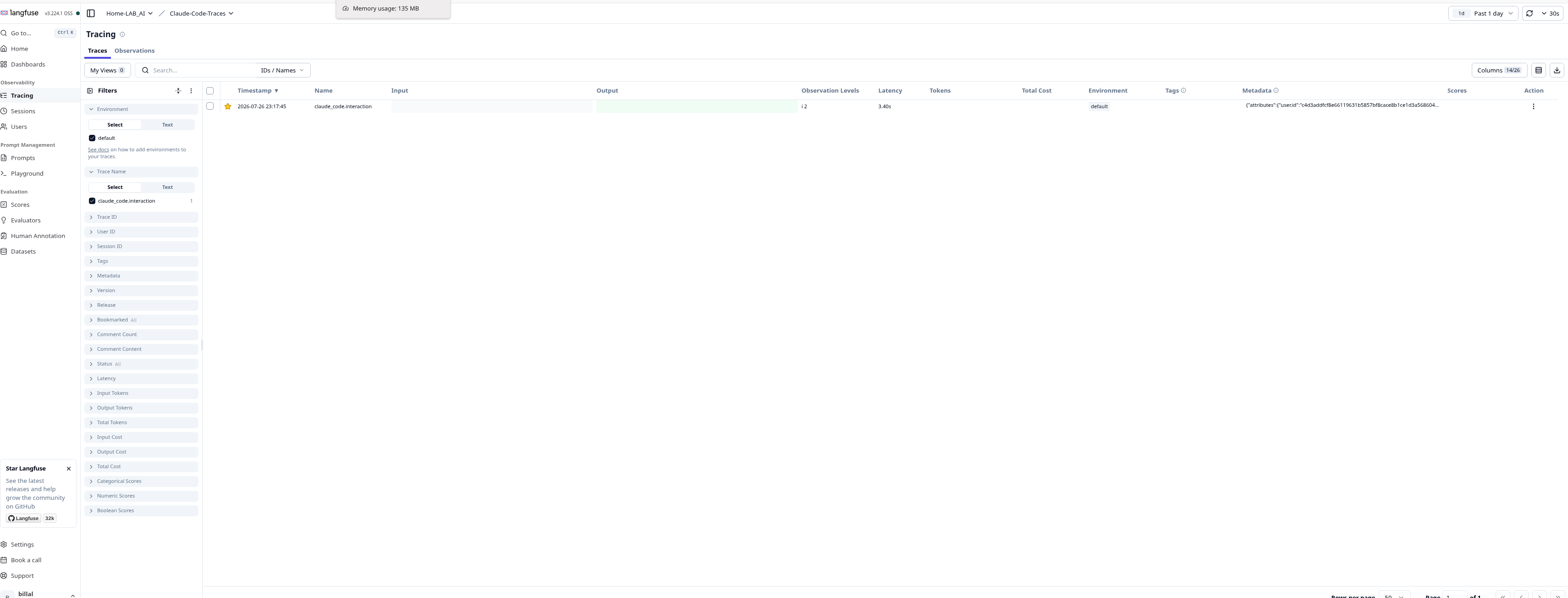
Langfuse's Tracing view showing a single claude_code.interaction trace with 2 observations and 3.40s latency

Implementing Langfuse to Monitor Claude Code

We all tend to focus on the output of whatever LLM we’re using — did it get the answer right, was it fast, was it useful. What I’d stopped paying attention to was the background: how many tokens a session was actually burning, where they went, and whether I’d have any way of knowing if something had gone quietly wrong. Claude Code runs natively on my homelab now, doing real work against real infrastructure, and I wanted more than “the output looked fine” as my only signal. ...

27 July 2026 · 4 min
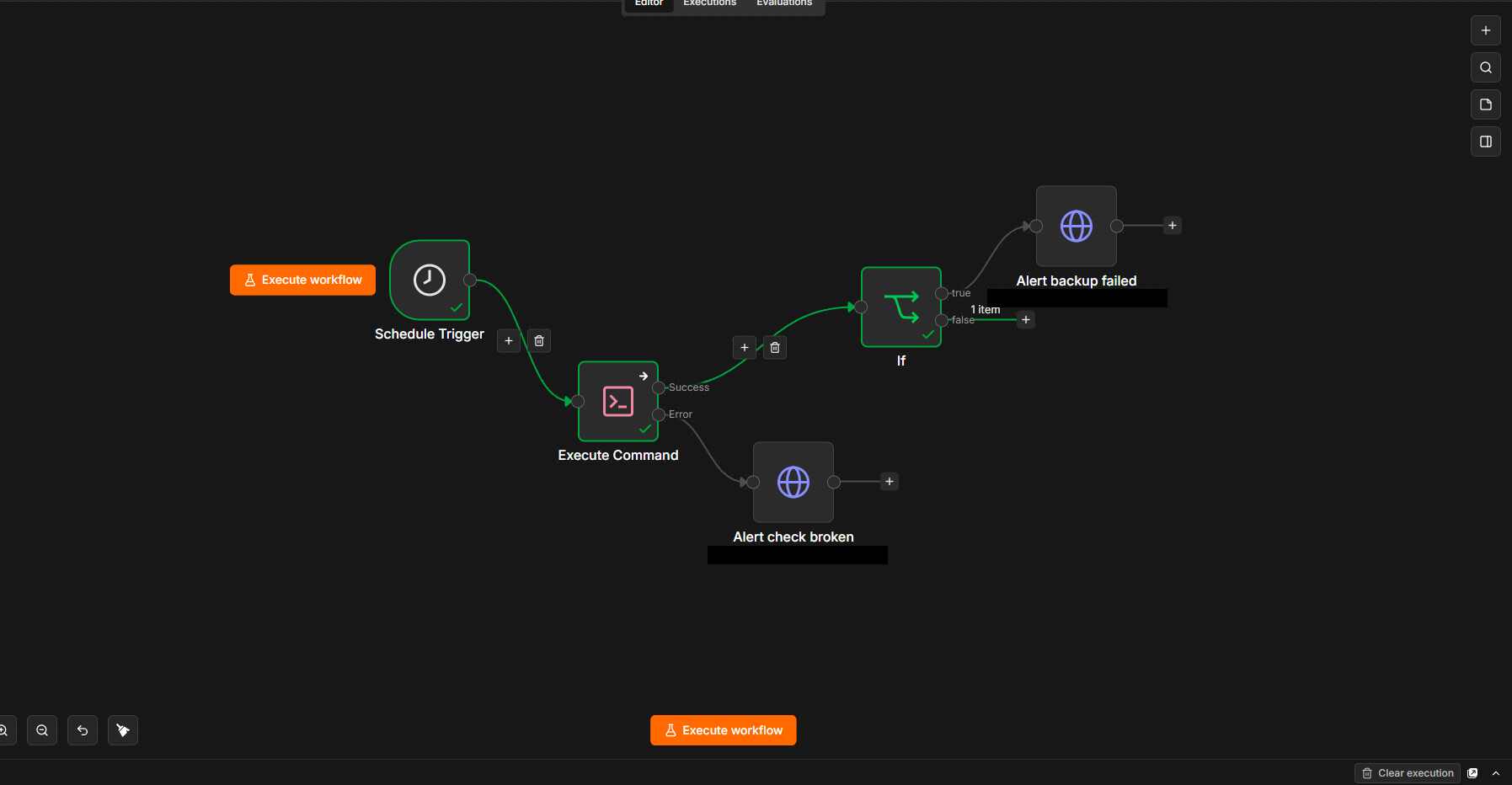
The finished four-node n8n workflow: Schedule Trigger, Execute Command, IF, and two ntfy alert nodes

Building a Backup Watchdog in n8n — and Finding a Five-Day Outage While I Did It

The problem I set out to solve My homelab takes a backup every night at 20:30. A cron job runs a script, the script dumps my Authentik database, snapshots the Vaultwarden vault, tars up the configs, encrypts a copy with age and drops it into OneDrive. It writes everything it does to /var/log/lab-backup.log. And nobody reads /var/log/lab-backup.log. That was the thing bothering me. If the backup silently stopped, I wouldn’t find out when it stopped — I’d find out the day I needed a restore, which is the worst possible day to learn anything. So the plan was simple: get n8n to check the backup actually happened, and buzz my phone if it didn’t. ...

23 July 2026 · 13 min
Homepage dashboard showing Infrastructure, Monitoring and Security service groups with live status dots

A Front Door for the Home Lab

At some point my lab crossed a line. I had a firewall, an identity provider, a password vault, dashboards, a log system, an alert router, and a vulnerability scanner — and I was typing subdomains from memory to reach any of them. Half the time I’d get one wrong. So this project is small: one page that links to everything. It took under an hour, and it’s the thing I now look at most. ...

23 July 2026 · 8 min
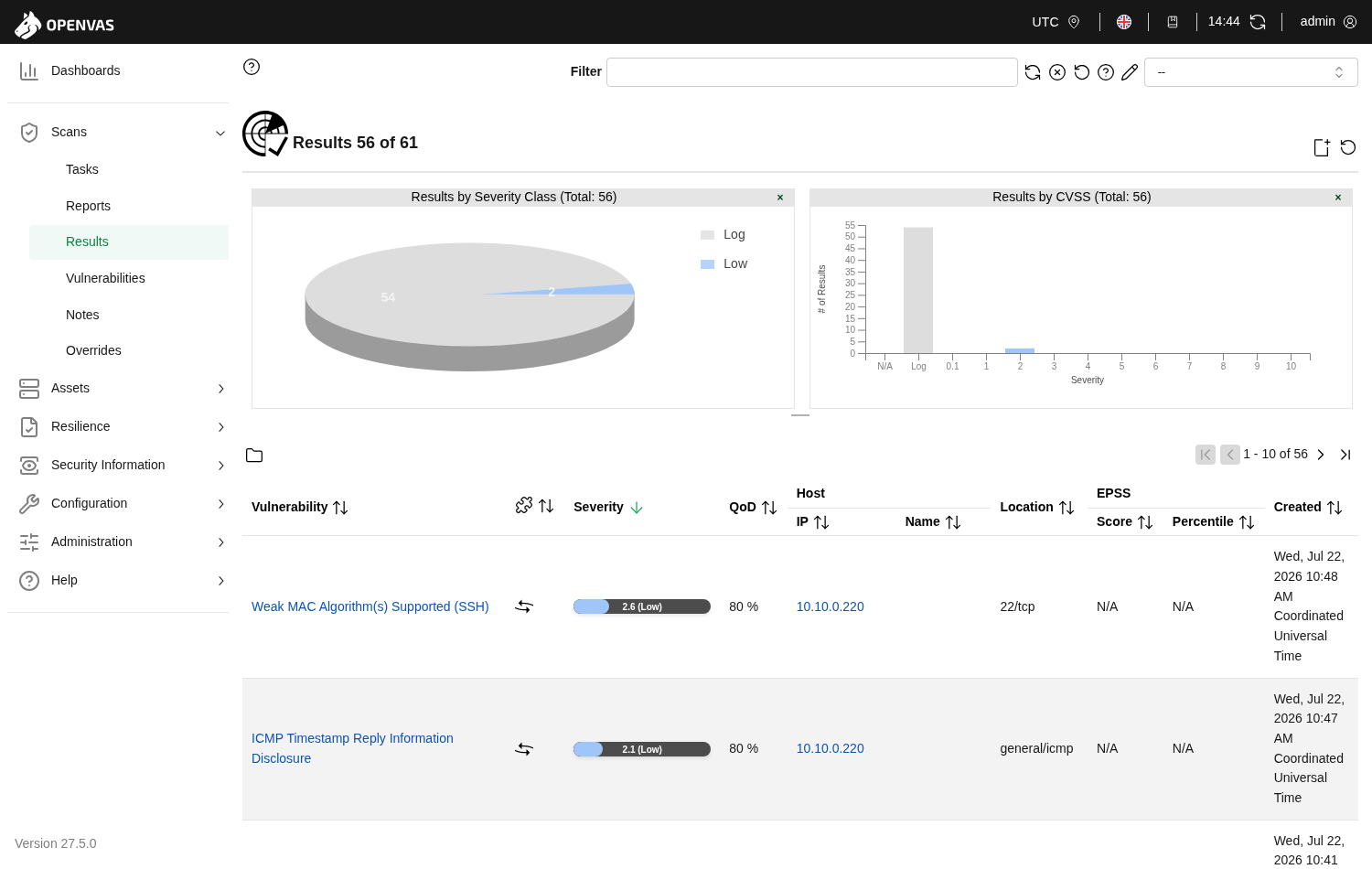
OpenVAS results page showing the first scan's findings by severity

Running OpenVAS in My Home Lab — Install, the Three Things That Broke, and the First Scan

I wanted a real vulnerability scanner in the lab — something that port-scans a host, throws a big pile of network vulnerability tests at it, and tells me what to fix by severity. OpenVAS (now Greenbone Community Edition) is the obvious choice, and it ships as a Docker stack. This is the honest write-up: the install, the three separate things that broke, one of which was my own fault, and what the scanner actually found when I pointed it at my own box. Nothing here is polished — I got a couple of things wrong along the way and I’m leaving those in, because that’s where the useful bits are. ...

22 July 2026 · 11 min
RAINBOW MATRIX cover — the post title in rainbow monospace over falling matrix rain on black

Metrics You Have to Remember to Look At Aren't Monitoring

I’d had Grafana dashboards for months. What I didn’t have was anything that told me when something broke — I had to remember to look. This is the alerting layer that fixes that, built on top of the existing Prometheus stack, plus the three things that got in the way. Stack: Prometheus · Alertmanager · ntfy · Docker 1. The gap I’d been ignoring My lab had a healthy observability stack: Prometheus scraping metrics, node_exporter for the host, snmp_exporter pulling throughput off pfSense, all drawn in Grafana. It looked complete. ...

18 July 2026 · 12 min
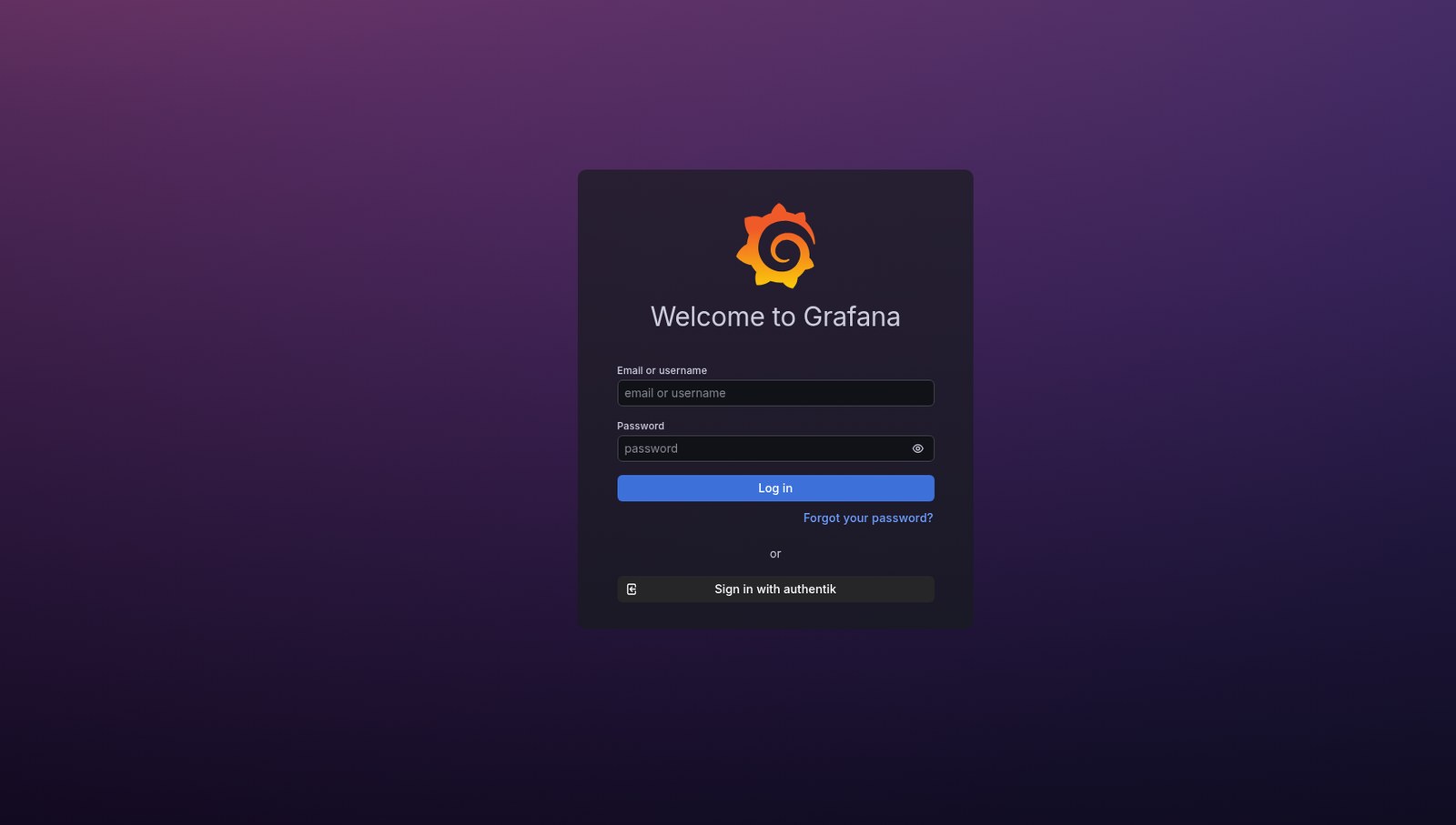
Grafana's login page with a Sign in with authentik button

One Login, MFA Everywhere: Adding an Identity Provider to the Homelab

Deploying Authentik as a self-hosted identity provider, and wiring Grafana into it with OIDC — so a service that has never heard of MFA suddenly requires it. Stack: Authentik · Caddy · Grafana · Docker · Debian 1. Purpose Every self-hosted service arrives with its own login. Ten services means ten accounts, ten passwords, and ten places to forget to enable MFA. Worse, some services have no authentication at all and just quietly assume nobody hostile is on your network. ...

15 July 2026 · 9 min
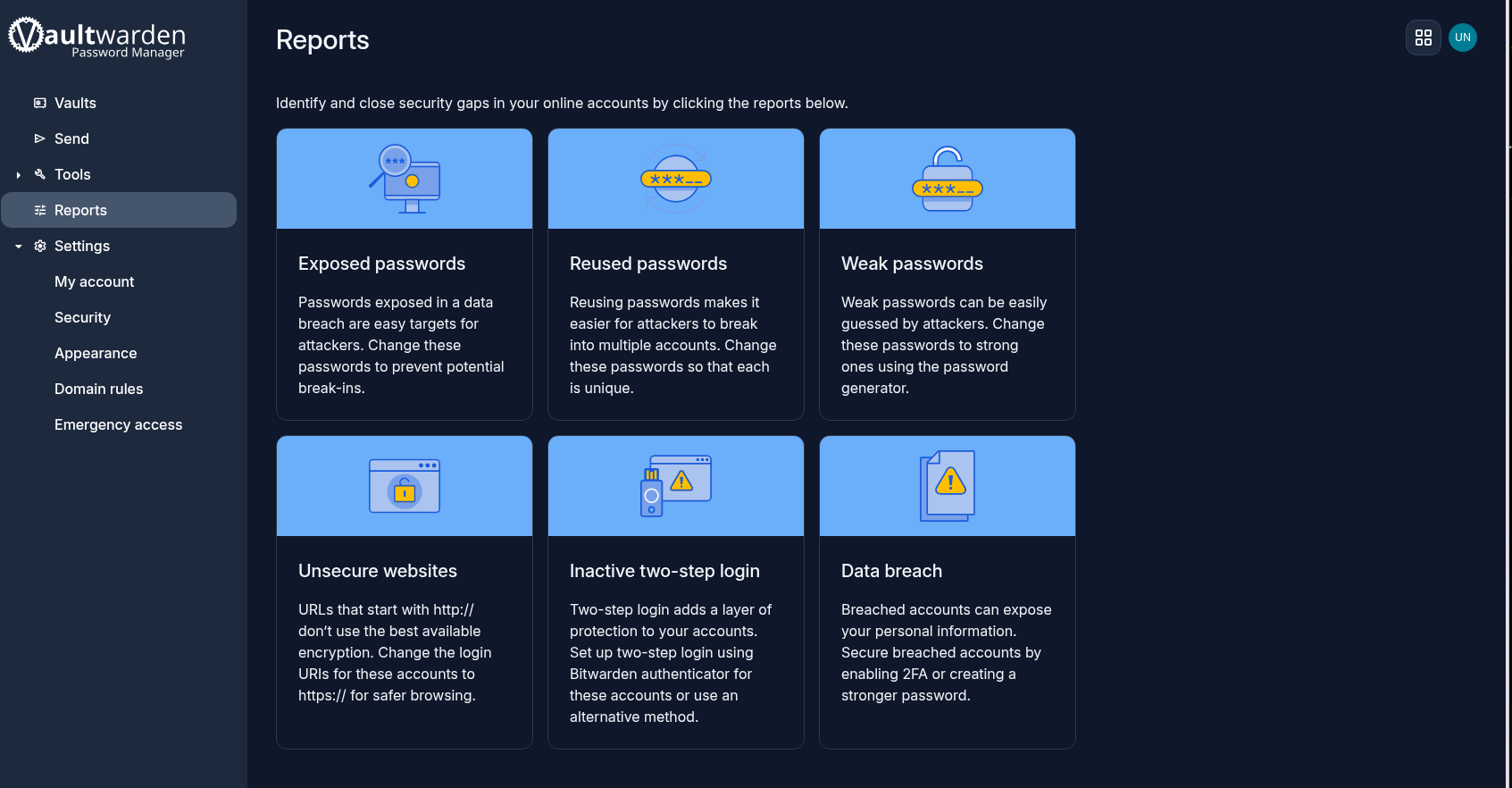
The self-hosted Vaultwarden vault, logged in and showing its security reports

Self-Hosting a Password Manager the Hard Way: Vaultwarden, Caddy, and Three Firewalls Fighting

Building a self-hosted password vault with a genuinely trusted TLS certificate and zero inbound ports open to the internet — and the four-layer debugging session that stood between me and a working container. Stack: Debian 13 · Docker · Caddy (custom build) · Vaultwarden · pfSense · WireGuard · DuckDNS 1. Purpose Self-hosted services are easy to do badly. It’s trivial to run a container, forward a port, click through a certificate warning, and call it done — and end up with something less secure than the cloud service you replaced. ...

15 July 2026 · 11 min