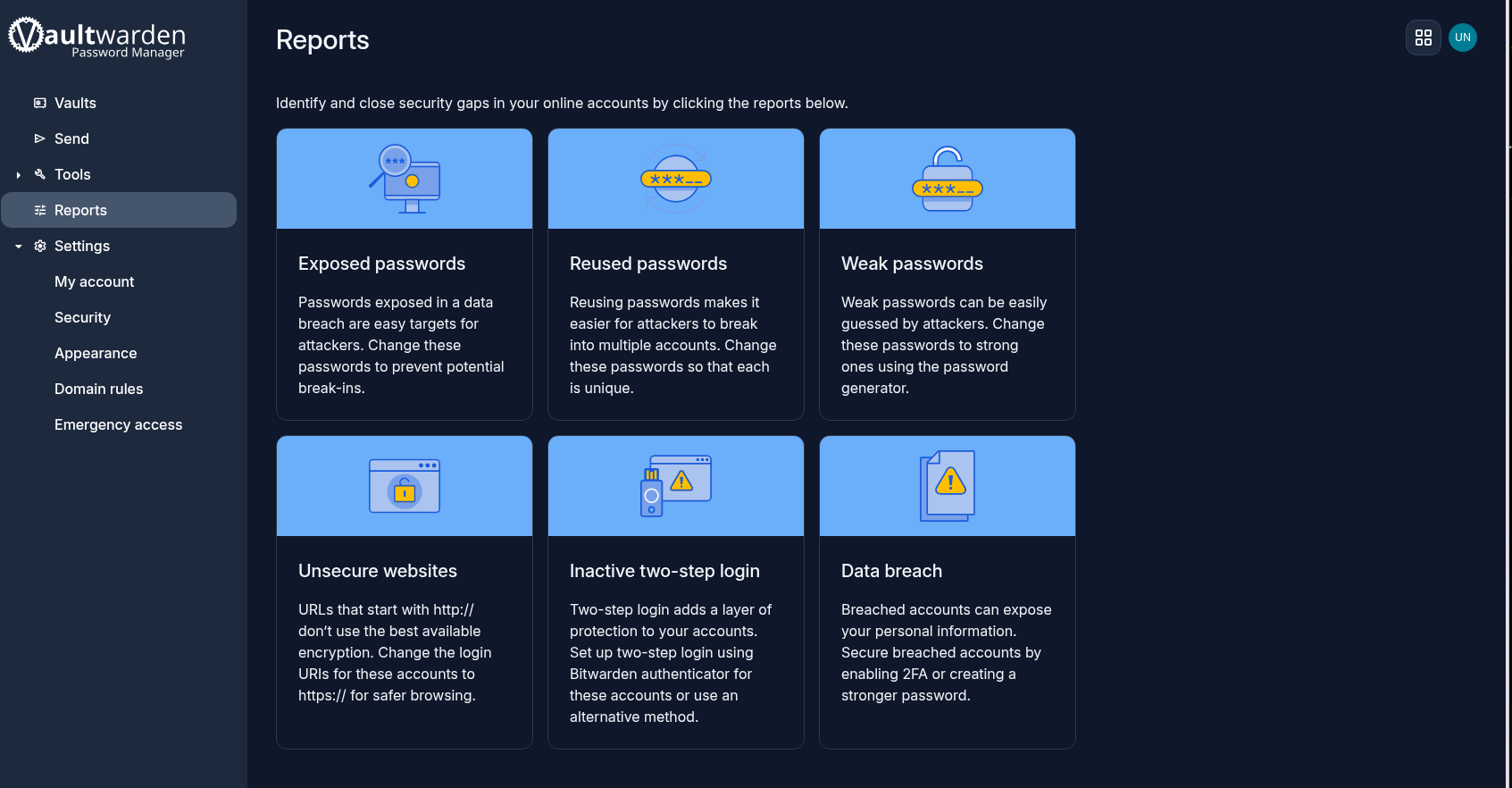
The self-hosted Vaultwarden vault, logged in and showing its security reports

Self-Hosting a Password Manager the Hard Way: Vaultwarden, Caddy, and Three Firewalls Fighting

Building a self-hosted password vault with a genuinely trusted TLS certificate and zero inbound ports open to the internet — and the four-layer debugging session that stood between me and a working container. Stack: Debian 13 · Docker · Caddy (custom build) · Vaultwarden · pfSense · WireGuard · DuckDNS 1. Purpose Self-hosted services are easy to do badly. It’s trivial to run a container, forward a port, click through a certificate warning, and call it done — and end up with something less secure than the cloud service you replaced. ...
15 July 2026 · 11 min
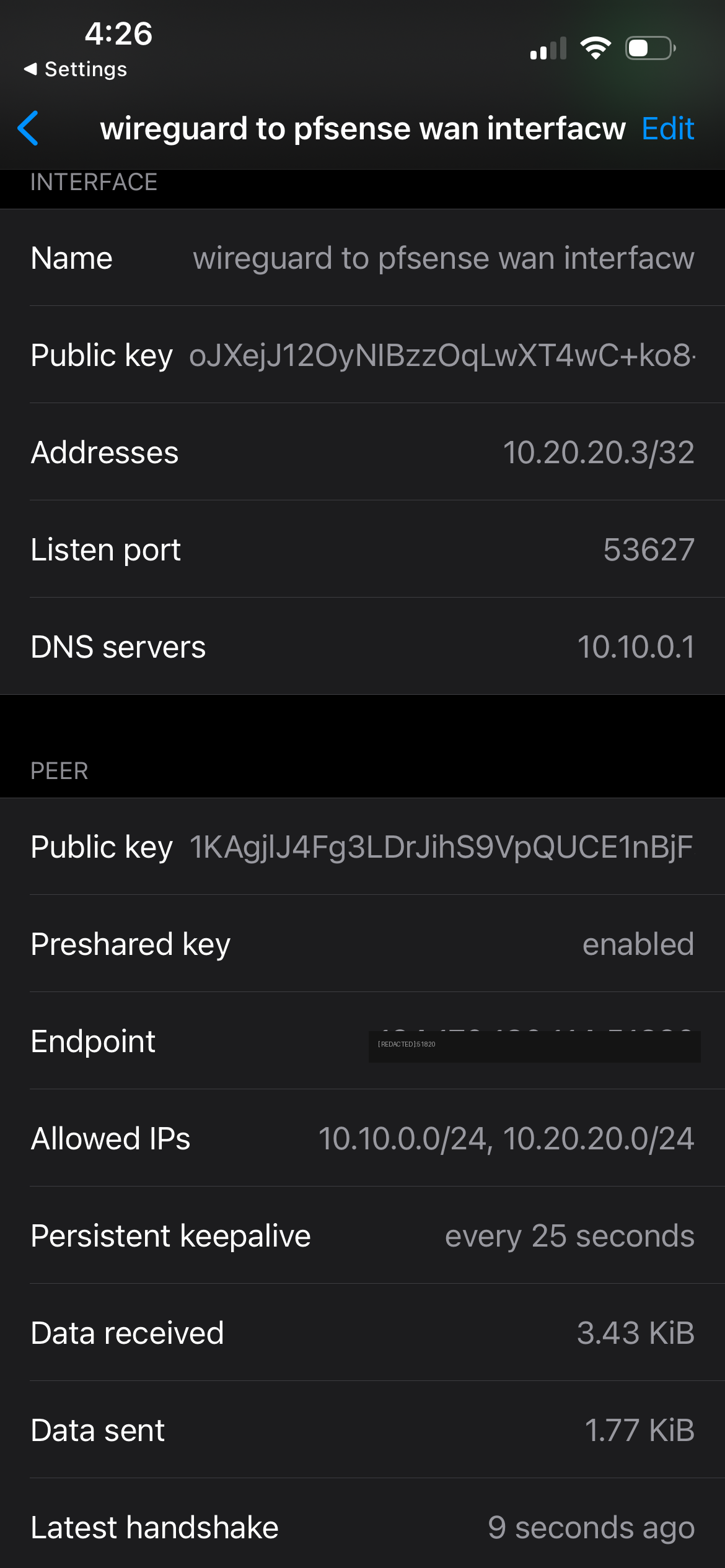
WireGuard handshake established over mobile data

Self-Hosted WireGuard Through a Nested Firewall — and the Four-Layer Debug to Make It Work

My lab is deliberately isolated — an automation VM (CLAUDDEB) sits behind a virtual pfSense firewall on a segment (10.10.0.0/24) that my home network can’t reach. That isolation is great until you’re out of the house and want to check your Grafana dashboards, which only listen inside that segment. I already use Tailscale for casual remote access, and I’ll be honest up front: for pure convenience, Tailscale wins — it punches through NAT automatically with zero firewall work. But this project wasn’t about convenience. It was about building the thing Tailscale is made of. Tailscale is WireGuard under the hood; hand-rolling raw WireGuard on pfSense teaches you how VPNs actually work — keys, peers, routing, firewall rules, NAT — at a level the managed tool deliberately hides. So I built it from scratch, kept Tailscale as my daily driver, and got a genuinely brutal debugging lesson in the process. ...

11 July 2026 · 7 min