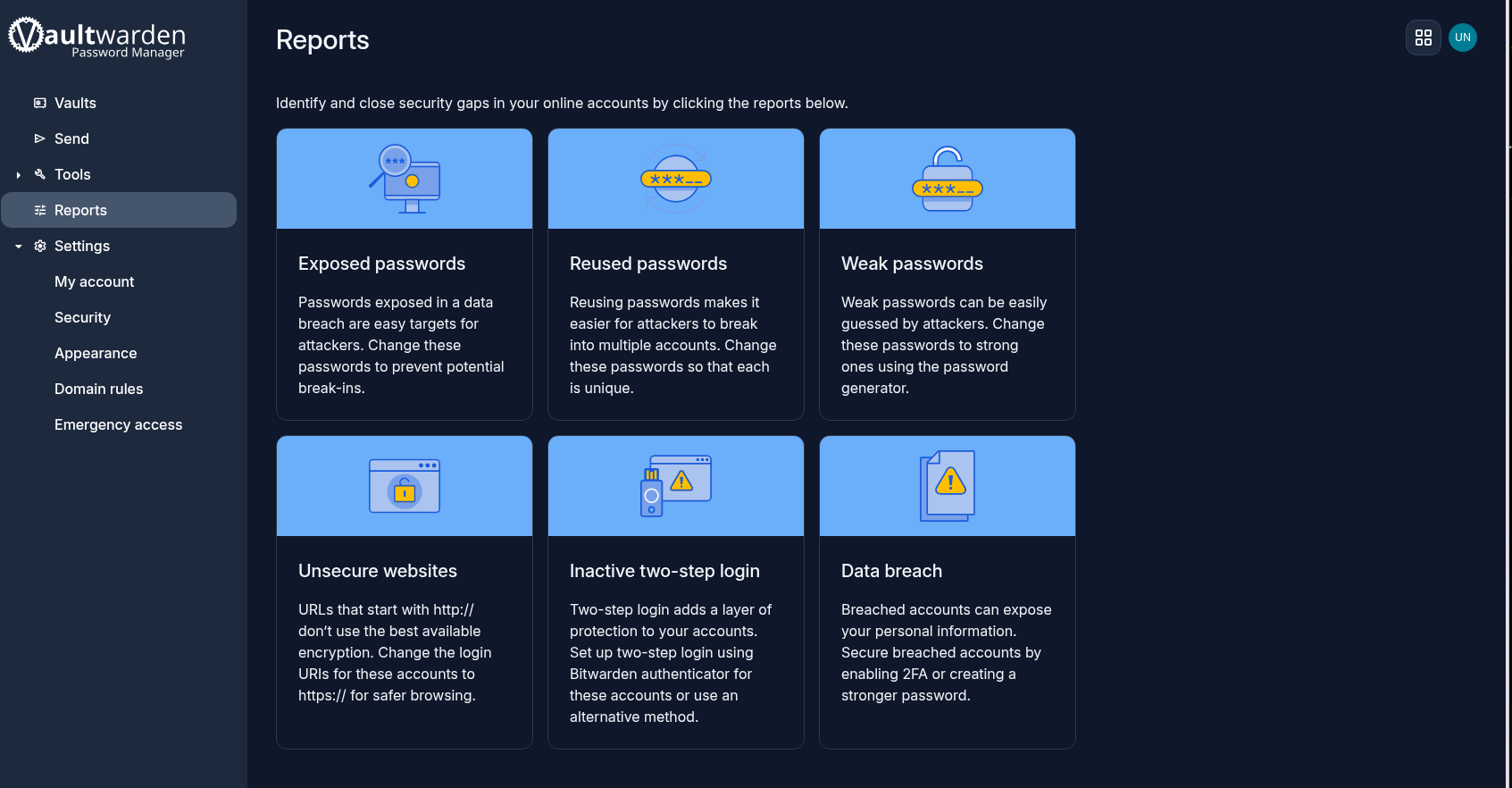
The self-hosted Vaultwarden vault, logged in and showing its security reports

Self-Hosting a Password Manager the Hard Way: Vaultwarden, Caddy, and Three Firewalls Fighting

Building a self-hosted password vault with a genuinely trusted TLS certificate and zero inbound ports open to the internet — and the four-layer debugging session that stood between me and a working container. Stack: Debian 13 · Docker · Caddy (custom build) · Vaultwarden · pfSense · WireGuard · DuckDNS 1. Purpose Self-hosted services are easy to do badly. It’s trivial to run a container, forward a port, click through a certificate warning, and call it done — and end up with something less secure than the cloud service you replaced. ...
15 July 2026 · 11 min
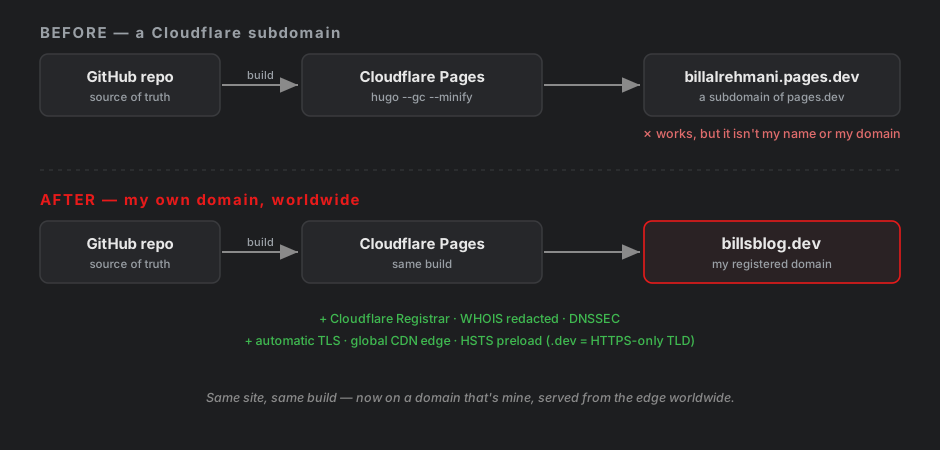
Before/after: GitHub repo → Cloudflare Pages → billalrehmani.pages.dev, versus the same build now served at the registered domain billsblog.dev

Registering My Own Domain: From a Pages Subdomain to billsblog.dev

The blog you’re reading just moved house. Same content, same build, the same Cloudflare Pages underneath — but the address on the door changed from billalrehmani.pages.dev to a domain that’s actually mine: billsblog.dev. Why bother — it already worked billalrehmani.pages.dev was fine. It served over HTTPS, it was fast, it was free. But pages.dev is Cloudflare’s namespace, not mine. For a portfolio I link from LinkedIn and want people to remember, “billalrehmani-dot-pages-dot-dev” is a mouthful and a borrowed address. Owning the domain means owning the identity — and, as it turned out, a bit more control over the security posture too. ...

13 July 2026 · 5 min